


Somerset & Mississinewa reservoir in a rural history context

Heartland History Interview 3 - Core Themes 3
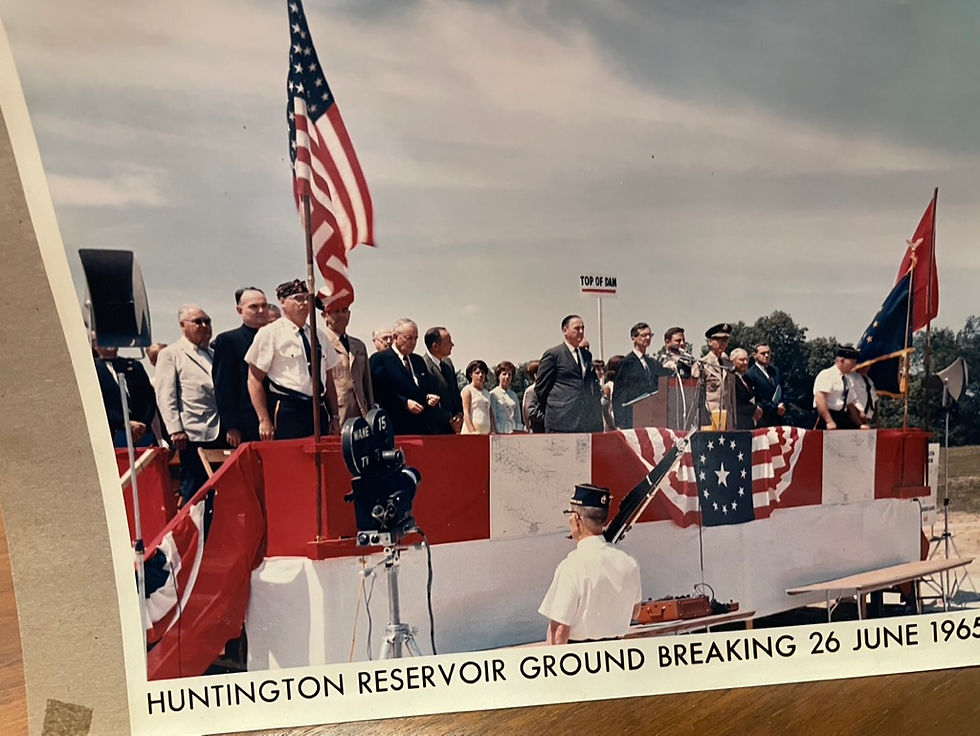
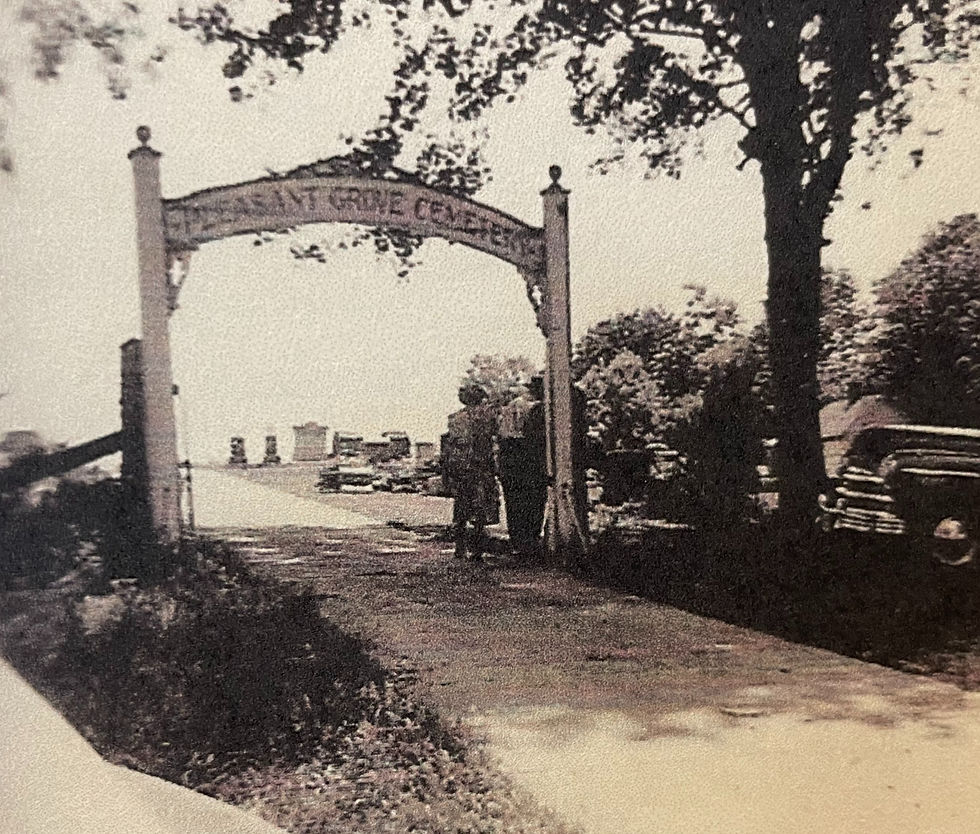
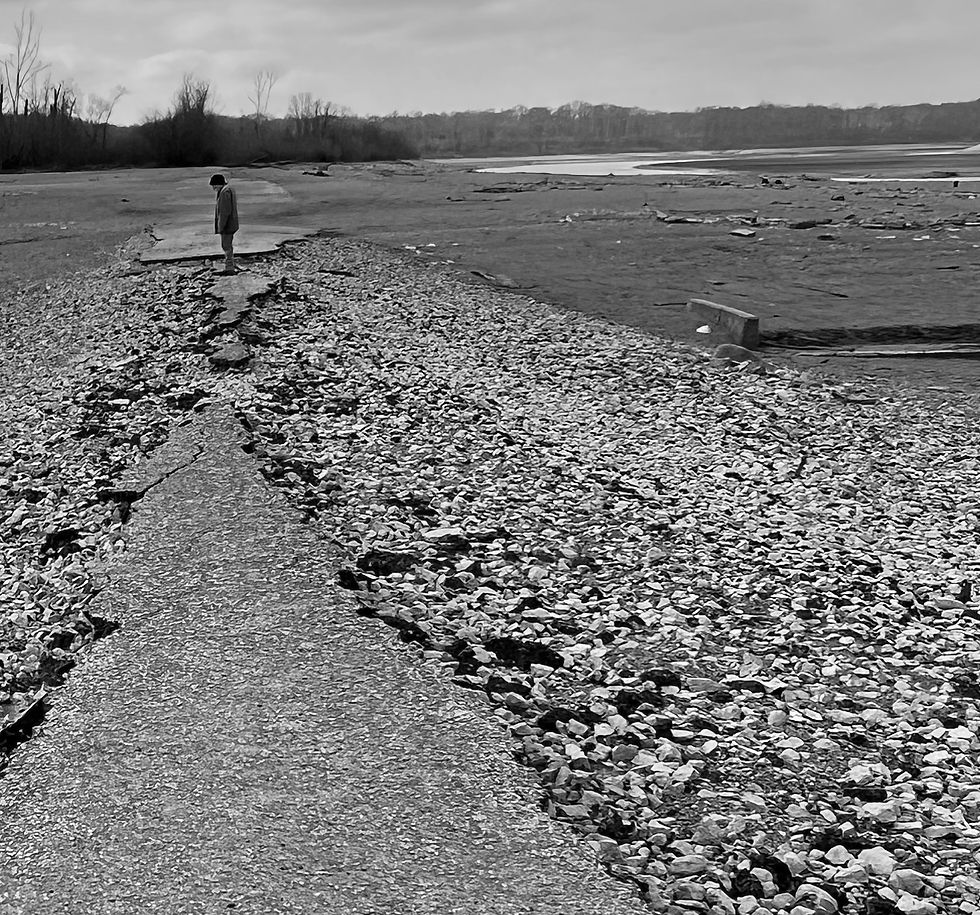
Prior to my When Once Destroyed interview with Joshua Kluever and Kevin Mason for the Midwest History Association's Heartland History podcast in March, I enjoyed answering their thoughtful questions about my work describing the destruction of Somerset, Indiana and surrounding farm land for the Mississsinewa Reservoir in the Upper Wabash Valley Flood Control Project as directed by the U.S. Army Corps of Engineers and the Indiana Flood Control and Water Resources Commission. For a few days I'll be sharing my responses here.
In what ways does the town’s story intersect with larger rural history forces like deindustrialization, agricultural change, or state and federal policy?
State and federal policy follows the money. The Midwest History Association can speak to that a lot better than I can.
One of the things about the story that was an echo for me was the unanimity of the political parties in supporting the Upper Wabash Valley Flood Control Project. Vietnam, Afghanistan, the Iraq war. Watch out for consensus!
When I go “home” to Grant County, I notice the absence of signs of human and animal life where family farms used to be. Instead, we have industrialized agriculture, farm site employees, and as I mention in the book the same machinery that builds shopping centers in farm fields and builds highways that avoid towns. The latest trend in the shopping centers that are in farm fields is to make them look like what developers call “walkable villages.” I see monuments to the conquered, like sports teams with names like Indians and Redskins. The same forces of "development" that demean small town and rural life romanticize it. The community where I taught high school is being threatened by data center development. A different, real estate developer at the same time announces plans for a "walkable village" in a farm field two miles east of town. Adjectives I’d apply to the people of Somerset apply to the people of New Carlisle, Indiana. Perhaps my story could help steel the resolve of the people there fighting to preserve their way of life. It’s a cliche but anyway I believe that learning the lessons of the past provides us with strategies for dealing with the present. It’s hard, I know.The person for whom this book was written, Vern, my grandson, lives in Minneapolis, ten blocks from Portland and 34th, a mile and a half from 26th and Nicolette. Demonization of the “other” is how this shit starts. What remains unresolved is an element of the universality of my story.
My family’s story was for me a counterpoint to the larger societal narrative under which both the governmental narrative and the Christianity narrative fell. What my father brought to the table was an unspoken legacy of resistance that appears to have a connection to transcendentalism and the abolitionist movement. However, Dad’s worldview can also be viewed simply as the perspective of a critical thinker. Chicken and the egg: does critical thinking lead one toward social justice or does concern for social justice lead one toward critical thinking? Does it matter? Either way, as the story developed with research and anecdotally, I could see that the plain and simple truth perspective that When Once Destroyed illustrates makes a case for responsibility and accountability as a matter of fact. Obviously, I was on Dad’s side, so it was not hard for me to see that responsibility and accountability are not contained within institutions but rather challenge them.
Were there moments when the town resisted decline, and how did those efforts shape its final years?
I’m not sure decline is the right word, here. The town was doing well until the Army invaded. The resistance came when it was too late to stop the forced removal, but it did set the stage for the community to engineer its own relocation.
How did you decide where to begin and end the town’s story, given that places often outlive official narratives of closure?
Mine is definitely a white man’s perspective so I started the town’s story in time where most white guy perspectives start, with the European settlement and a brief mention of the indigenous presence that preceded it. Before the flood story begins with Roessler’s trip to Lake Shafer, I cover some of the things that happened in Somerset that showed up in the newspaper to provide some flavoring, the best and most extensive being the park celebration. I ended it with Aunt Janet’s account of the new Somerset a few years after the project had been completed, connecting that to an accounting of economic and flood control benefits and along with the lack of benefits.
Comments