


Somerset, Indiana

Heartland History Interview 2 - Core Themes 2
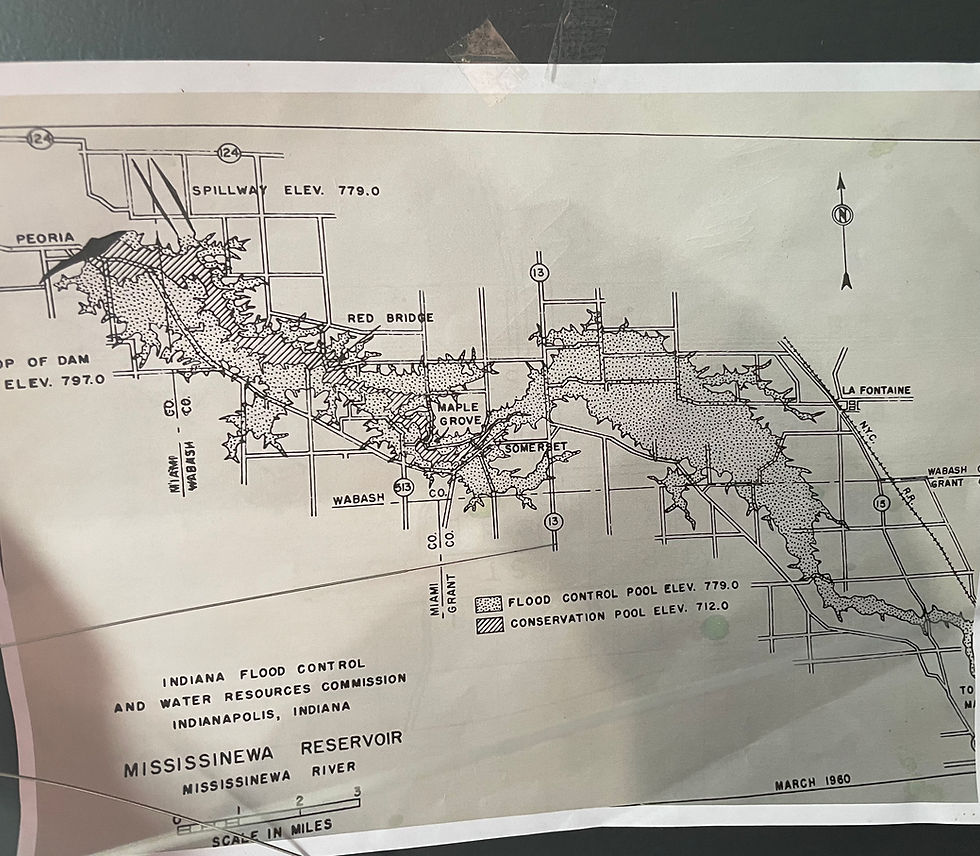
Prior to my When Once Destroyed interview with Joshua Kluever and Kevin Mason for the Heartland History podcast in March, I enjoyed answering their thoughtful questions about my work describing the destruction of Somerset, Indiana and surrounding farm land for the Mississsinewa Reservoir in the Upper Wabash Valley Flood Control Project as directed by the U.S. Army Corps of Engineers and the Indiana Flood Control and Water Resources Commission. For a few days I'll be sharing my responses here.
How does Somerset, Indiana function in the book: as a character, a setting, or something closer to a living archive?
Yes, to all three. 1) Alive, conflicted, evolving, 2) rooted in time and place that are specific: if there is nostalgic embellishment, it’s the responsibility of the reader. I was simply telling my grandson about my dad in the best way I knew how. 3) I like the alive archive concept, which is a conversation starter.
What surprised you most as you reconstructed the town’s past, especially moments that complicated nostalgic narratives of small-town life?
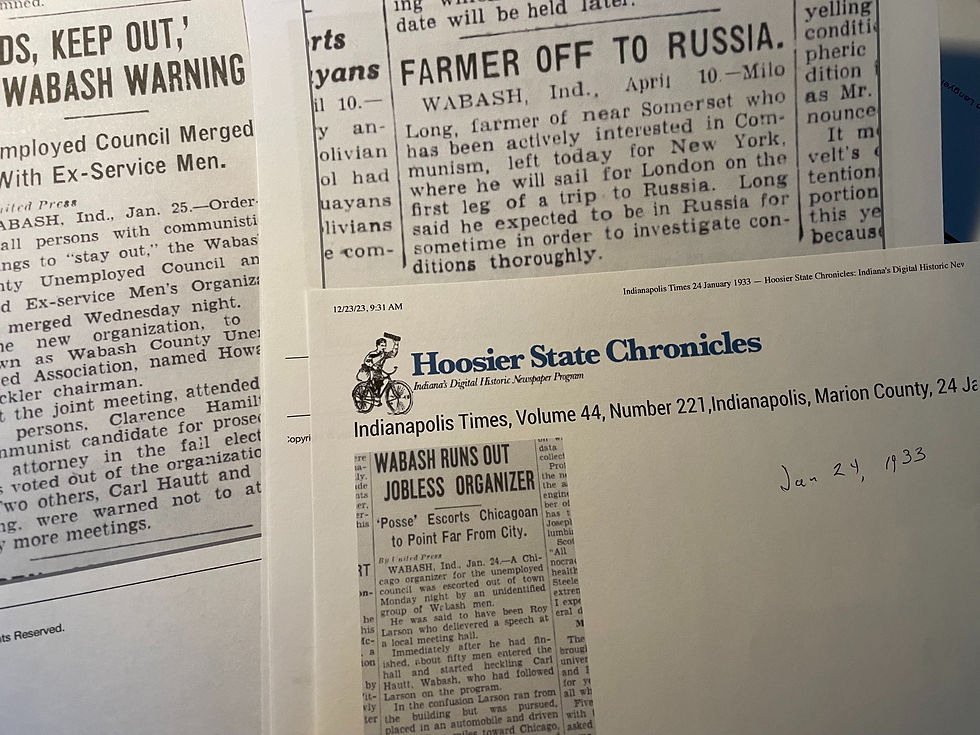
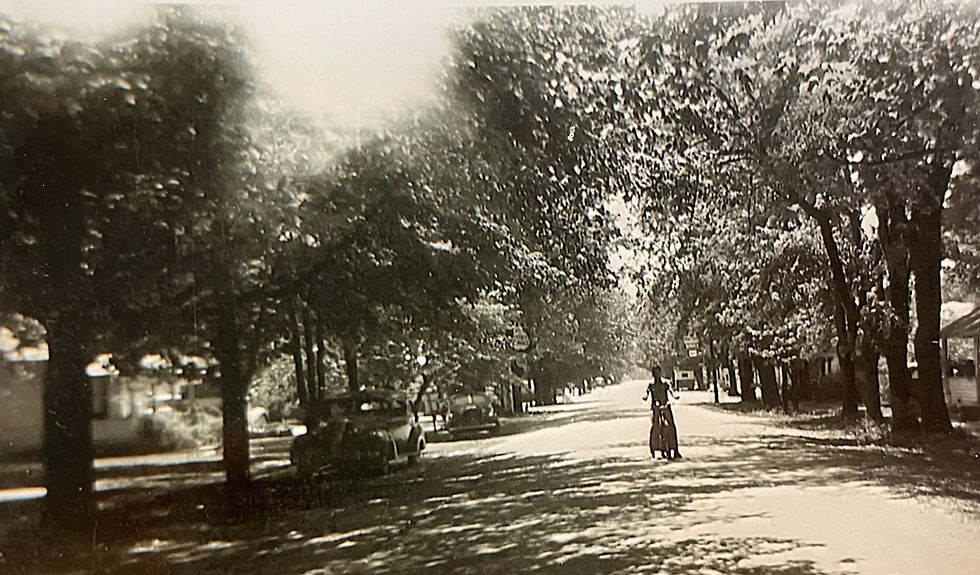
The generosity of the people I interviewed. The personalities that shined. All of them. The dimension. The space for diversity. Communists in Somerset, Indiana. The fun. The joy. The humor. The basketball stories included conflict; a guy was yelling at the refs so hard his teeth flew out. With the same or similar characters, Aunt Janet’s description of the new Somerset body shop must mimic the community of great Aunt Vernie’s restaurant. Those qualities make the tragedy real. The deaths of Jim Minnick and Ommie Sweet are real because we “know” them. They represent the town’s people. Pop had the boys throw the couch that Grandma died on into Goose Creek. It’s not nostalgia. Why were children told to stay away from Homer Davisson? I did not feel the need to answer the question, but I thought about it. We didn’t talk about the game after the game was over. There’s something symbolic about that, but I wasn’t conscious of that going in. As I mention in my closing note, if there is some intention in the story that was the result of the telling, my only intention was to tell my grandson about Dad and I followed that where it took me.
Many readers will see echoes of their own hometowns in your story. What aspects of this town do you see as uniquely local, and which feel broadly Midwestern or even national?
It’s odd, I hadn’t thought of this before: I tried to teach my high school Holocaust class as a warning, but now it seems too late for that. “Somerset” could have been a warning. I’m not sure exactly when that became too late, but for me, at 72-years-old, it appears to be. Somerset is specific, but it was also early to a game that we have since seen played out in rural communities and small towns all over the Midwest and I suppose the rest of the country, too, since the end of World War II in my consciousness, but beyond that I suppose, back to Columbus and then back to every other force that has ever tried to impose its will, devouring contented people along the way, wherever it can. “Progress” sold as a panacea that turns out to be a curse.
Comments